A New Power Player in Rivian's Corner
Rivian Automotive, the electric vehicle (EV) maker once heavily backed by e-commerce giant Amazon, has a new majority shareholder. The Volkswagen Group, through its subsidiary Volkswagen Group Technologies, has increased its equity position to 15.9 percent, surpassing Amazon's 12.3 percent stake. This shift marks a significant realignment in the corporate alliances shaping the future of electric mobility. For Rivian, the change spotlight represents a strategic pivot in its investor base—from a logistics user to a rival automaker with global ambitions.
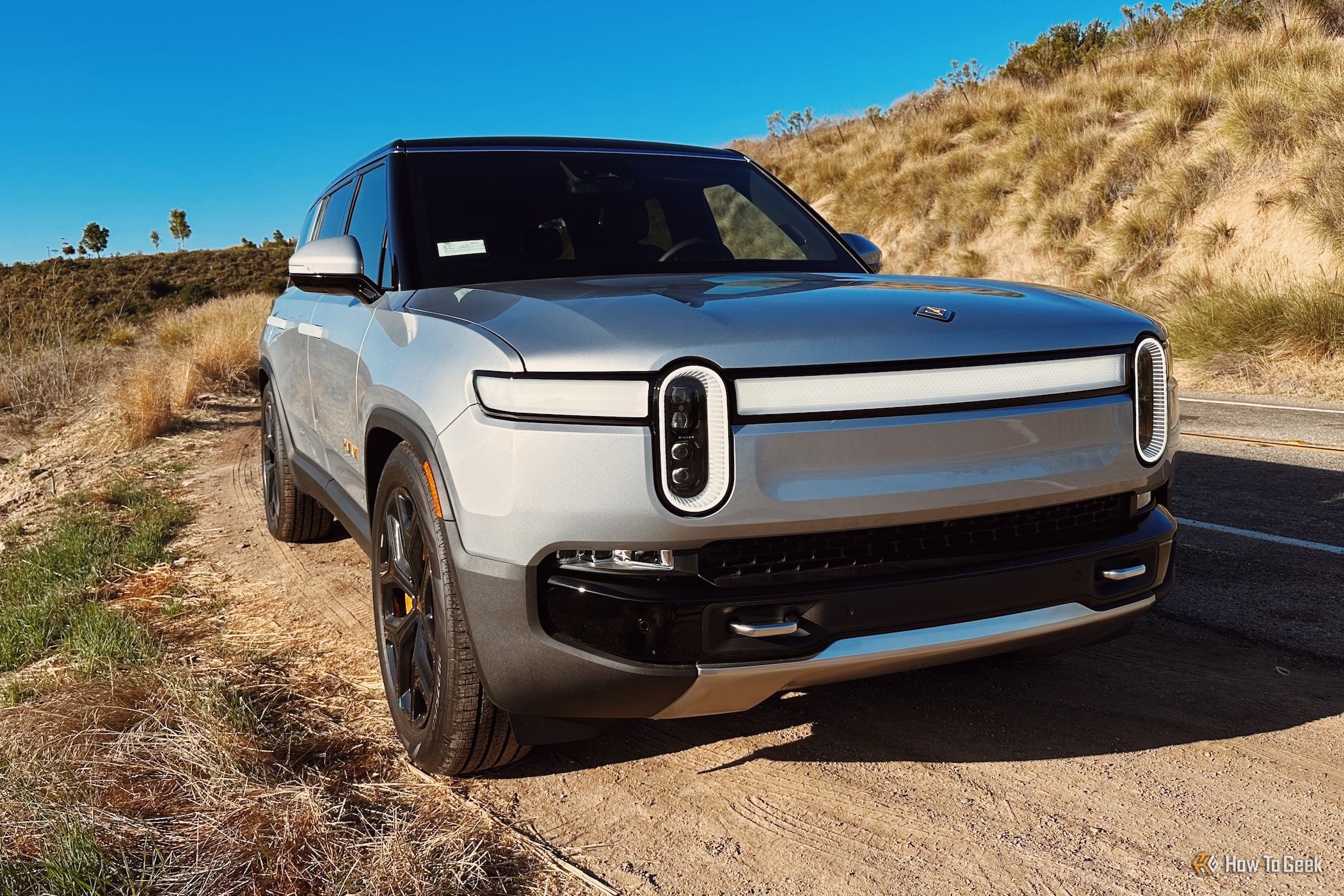
The Changing Ownership Landscape
For years, Amazon held the largest slice of Rivian, a relationship that dated back to a 2019 investment of roughly $700 million. That partnership also included a significant order for 100,000 electric delivery vans for Amazon's logistics fleet. However, as of the latest regulatory filings, Volkswagen Group Technologies now commands a 15.9% equity stake, leapfrogging Amazon's approximately 12.3% ownership. The Volkswagen Group had initially invested $1 billion in Rivian in mid-2023, but the recent increase—reported in late 2024—pushed the German automaker into the lead investor role. This transition underscores how legacy automakers are aggressively courting innovative EV startups to accelerate their own electrification timelines.
Details of the Investment
The boost in Volkswagen's ownership came through a combination of open-market purchases and a direct secondary offering from Rivian. Volkswagen Group Technologies—the division responsible for the conglomerate's software and technology ventures—now holds 15.9% of Rivian's total outstanding shares. In comparison, Amazon's stake has been diluted slightly due to the new shares issued and a partial sell-down by Amazon earlier this year. While exact prices were not disclosed, the transaction values Rivian at roughly $10-$12 billion based on current market capitalization. The investment grants Volkswagen two board observer seats but no voting control, preserving Rivian's independence while deepening their existing joint venture on software-defined vehicle architectures.
Why Volkswagen Wants Bigger Stake
Volkswagen's strategy is clear: tap into Rivian's advanced electrical architecture and software stack. The partnership, announced earlier this year, aims to co-develop next-generation vehicle platforms that can be used across VW's global brands—including Audi, Porsche, and Scout. By becoming the largest investor, Volkswagen secures preferential access to Rivian's technology while limiting the influence of Amazon, which had been using the Rivian platform primarily for its delivery fleet. The move also hedges against the risk of Amazon eventually acquiring Rivian outright, a possibility that had worried some industry analysts.
Implications for Rivian
For Rivian, the shift in investor hierarchy brings both opportunities and challenges. On the positive side, Volkswagen's deep pockets and global manufacturing expertise can help Rivian scale production, reduce costs, and expand into new markets—particularly Europe. The joint venture focuses on software integration, which could reduce Rivian's reliance on third-party suppliers and improve margins on its R1T truck and R1S SUV. Additionally, while Amazon remains a key customer for delivery vans, the reduced equity concentration diversifies Rivian's stakeholder base and lessens its dependence on a single buyer. However, some analysts caution that Volkswagen's influence may steer Rivian's product strategy toward more conventional platforms, potentially diluting the brand's off-road and adventure-centric identity.
Amazon's Reduced Role
Amazon's stake drop does not mean it is exiting the partnership. The company still holds a 12.3% ownership and remains Rivian's largest customer—the 100,000-van order is being fulfilled with thousands already delivered. Yet Amazon's diminished equity stake signals a recalibration: the e-commerce giant appears to be focusing on its own logistics infrastructure rather than monopolizing Rivian's production capacity. This shift could allow Rivian to pursue other commercial fleet customers, such as AT&T or Daimler, boosting its revenue streams beyond Amazon.

What This Means for the EV Industry
Volkswagen overtaking Amazon as Rivian's largest shareholder reflects a broader trend in the electric vehicle space: the convergence of legacy automakers and startups. Traditional car companies are racing to acquire technology and battery expertise to compete with Tesla and Chinese rivals like BYD. Similar moves include Ford's partnership with Rivian (later abandoned), Stellantis's stake in Arrival, and BMW's investment in Solid Power. The Volkswagen-Rivian alliance stands out due to its scale—VW is the world's second-largest automaker—and its focus on software, a critical differentiator in modern EVs. For the industry, this deal could accelerate the development of standardized platforms that lower costs across multiple brands, making EVs more accessible to consumers.
New Competitive Dynamics
The investment also reshapes competitive dynamics. Amazon had been using Rivian as a cornerstone of its zero-emission delivery push, but now Volkswagen can leverage the same technology for luxury and mass-market vehicles. This dual use may strain Rivian's ability to allocate engineering resources, but it also creates economies of scale. Meanwhile, other EV startups like Lucid and Fisker face pressure to find similar deep-pocketed partners or risk being left behind. If the Volkswagen-Rivian joint venture succeeds, it could become a model for how established automakers incubate EV innovation without the cost of building everything in-house.
Looking Ahead
The shift in Rivian's cap table from Amazon to Volkswagen is more than a financial footnote—it signals a maturity in the electric vehicle ecosystem where strategic partnerships outweigh pure ownership. Rivian gains a powerful ally with global reach, while Volkswagen secures cutting-edge technology for its software-defined future. Amazon, though no longer the top investor, remains a vital customer and logistical partner. For investors and observers, the deal highlights the high-stakes chess game of the EV transition, where alliances can change the landscape overnight. As Rivian scales its production and expands its product line, the influence of its largest shareholder will be watched closely—a test of whether the startup can maintain its innovative edge within the embrace of a automotive giant.