Emergency update: The rapid advancement of frontier AI models—from labs like OpenAI, Anthropic, and Google DeepMind—is simultaneously empowering cyber defenders and arming attackers with unprecedented speed and scale. Security firm SentinelOne reports that autonomous, AI-native defense systems are now the only effective countermeasure against a wave of novel zero-day exploits hitting supply chains.
Background
SentinelOne has collaborated closely with frontier AI labs for years, though specifics of many partnerships remain confidential. These relationships have given the company early insight into how advanced models evolve and where they can create real security impact, according to SentinelOne experts.

Many of those capabilities are already embedded in the company’s platform, which stops attacks daily that no other solution can address. The firm emphasizes that frontier AI is accelerating a broader shift toward faster, more intelligent, and highly automated security operations.
The Race Between Offense and Defense
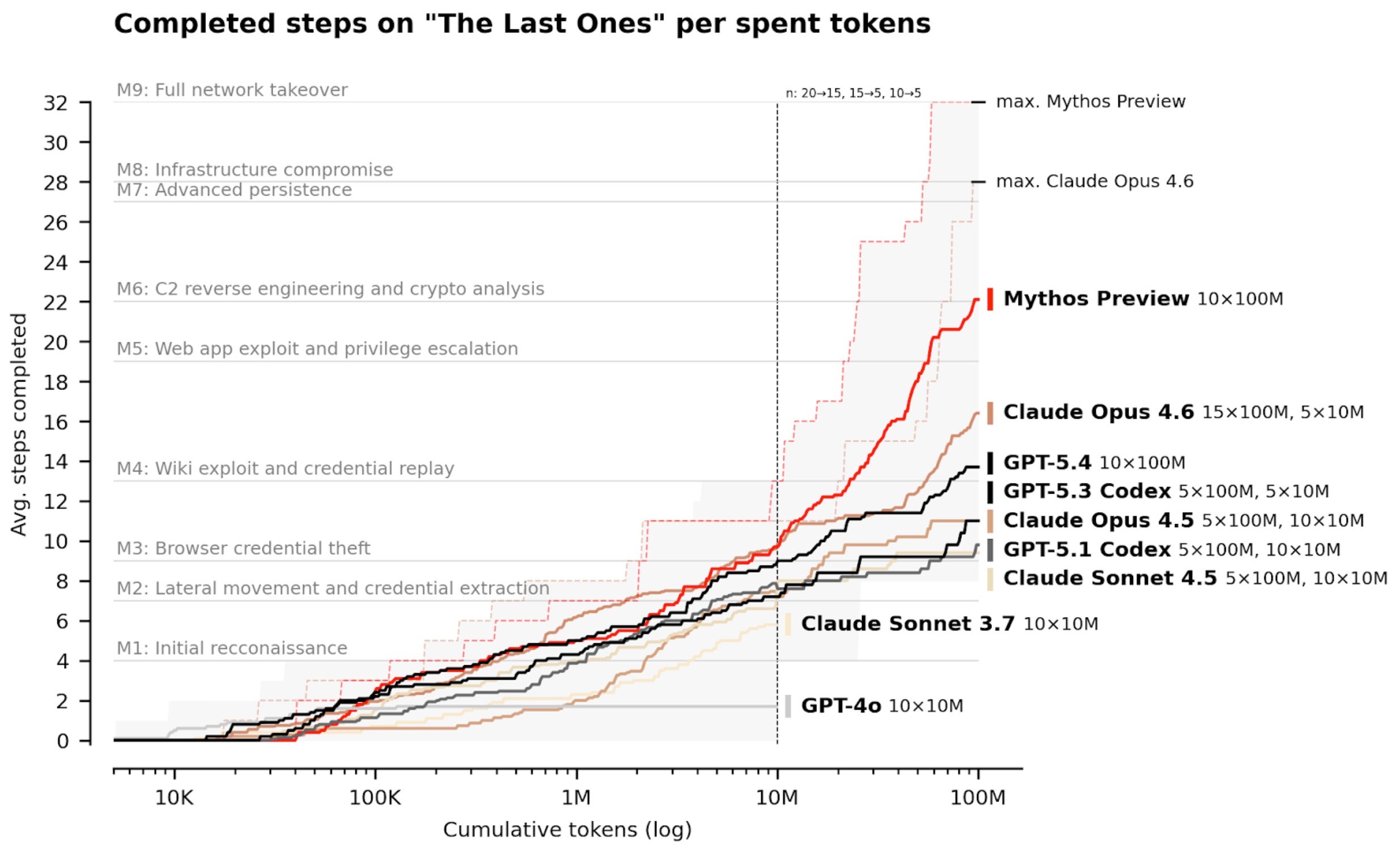
On the defensive side, frontier models help identify weaknesses, analyze complex systems, and reason about attack paths at scale. Offensively, they give attackers the advantage of speed and scale when discovering new vulnerabilities.
“Progress in this race matters, but it is only one part of the broader security picture,” a SentinelOne spokesperson said. The company warns that raw vulnerability counts do not map cleanly to real-world risk—many bugs are not exploitable in live environments, and many are already mitigated by architectural layers and runtime protections.
What This Means
The gap between theoretical exposure and operational risk is substantial. What truly matters is the ability to understand real conditions, prioritize what matters, and stop actual attacks across complex environments—even when faced with novel threats and zero days.
“That has been our pioneering principle from day one,” the spokesperson added. SentinelOne was built to operate at machine speed, using behavioral AI, automation, and autonomous protection across endpoint, cloud, identity, data, network, and AI attack surfaces. As frontier AI advances, the value of that approach only grows.
Recent Examples Highlight Urgency
In the last few weeks alone, supply chain attacks targeting LiteLLM, Axios, and CPU-Z demonstrated the risk of trusted agents and workflows in the AI era. Each case leveraged unpatched, zero-day vulnerabilities. “Autonomous response at machine speed was the only antidote to block these novel threats,” a SentinelOne engineer noted.
SentinelOne has also expanded its own ongoing efforts to integrate frontier AI deeper into its platform, ensuring customers are protected as the threat landscape evolves at machine pace.