Breaking News: AI-Powered Discovery
A powerful artificial intelligence system named RAVEN has revolutionised exoplanet hunting by combing through NASA’s TESS mission data. The AI has confirmed the existence of more than 100 exoplanets, including 31 previously unknown worlds.
Key Findings
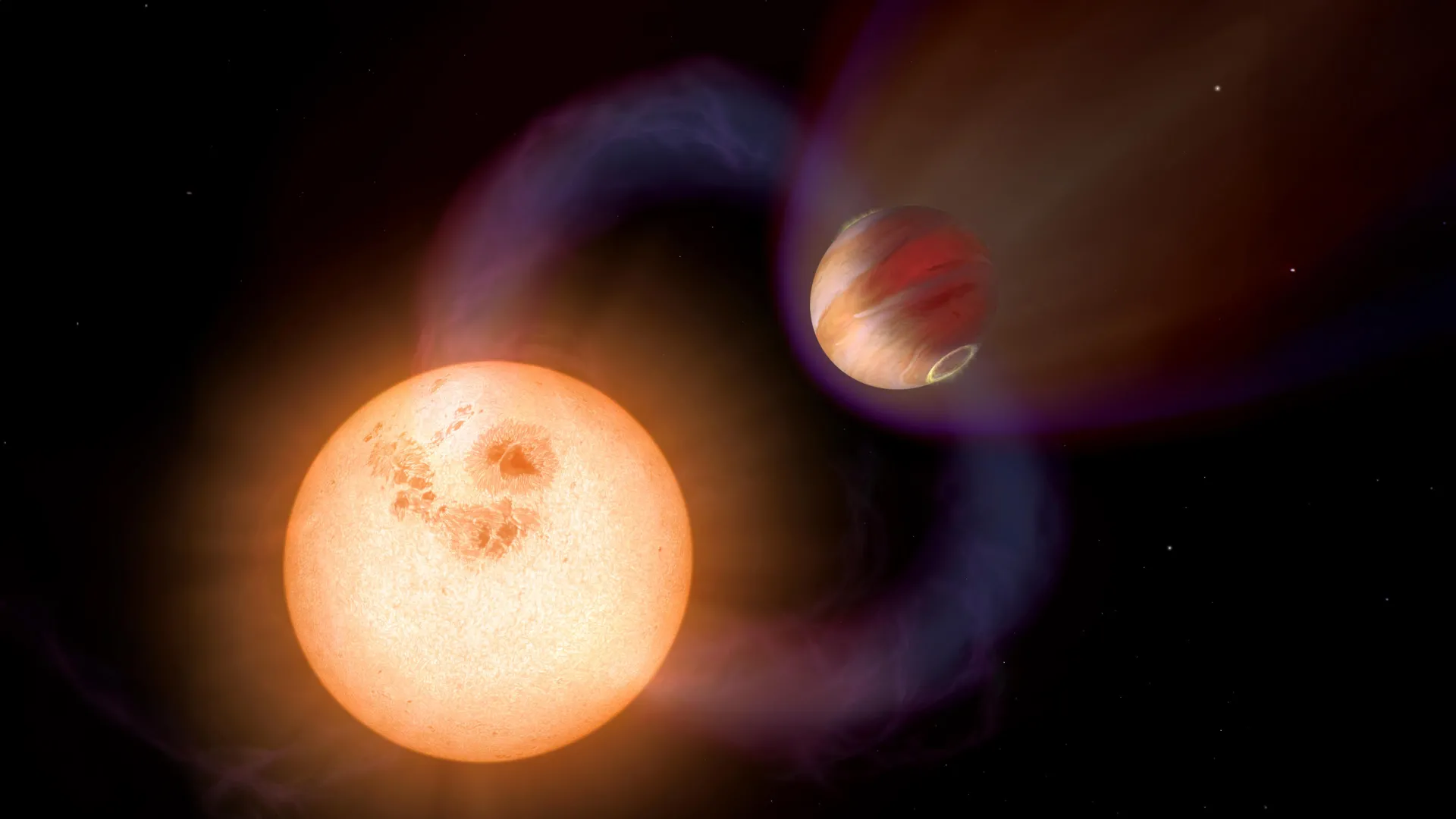
Among the confirmed planets are rare and extreme examples. Some complete an orbit in under 24 hours, while others sit within the elusive ‘Neptunian desert’—a region where planets are thought to be scarce.
“This is a major leap forward in our ability to detect planets. RAVEN has uncovered worlds we would have missed using traditional methods.” – Dr. Elena Torres, lead astronomer at the SETI Institute.
Background
NASA’s Transiting Exoplanet Survey Satellite (TESS) has been scanning the sky since 2018, collecting light curves from millions of stars. RAVEN, developed by an international team, applies deep learning to identify subtle transit signals indicative of planets.
The tool can process data far faster than human analysis, flagging candidate planets for follow-up observation. Its success rate in confirming candidates has been remarkably high.
What This Means
The discovery of extreme planets—like those in the Neptunian desert—provides critical clues about planetary formation and migration. It suggests that even harsh environments may host worlds, challenging existing models.
Moreover, the thousands of additional candidates identified by RAVEN promise a steady stream of new targets for study. This could accelerate the search for Earth-like worlds.
Implications for Exoplanet Research
RAVEN’s methodology can be adapted for other missions, such as PLATO and JWST. It demonstrates that AI can significantly enhance the discovery pipeline, making the process more efficient and comprehensive.
For more on exoplanet detection techniques, see our previous coverage.